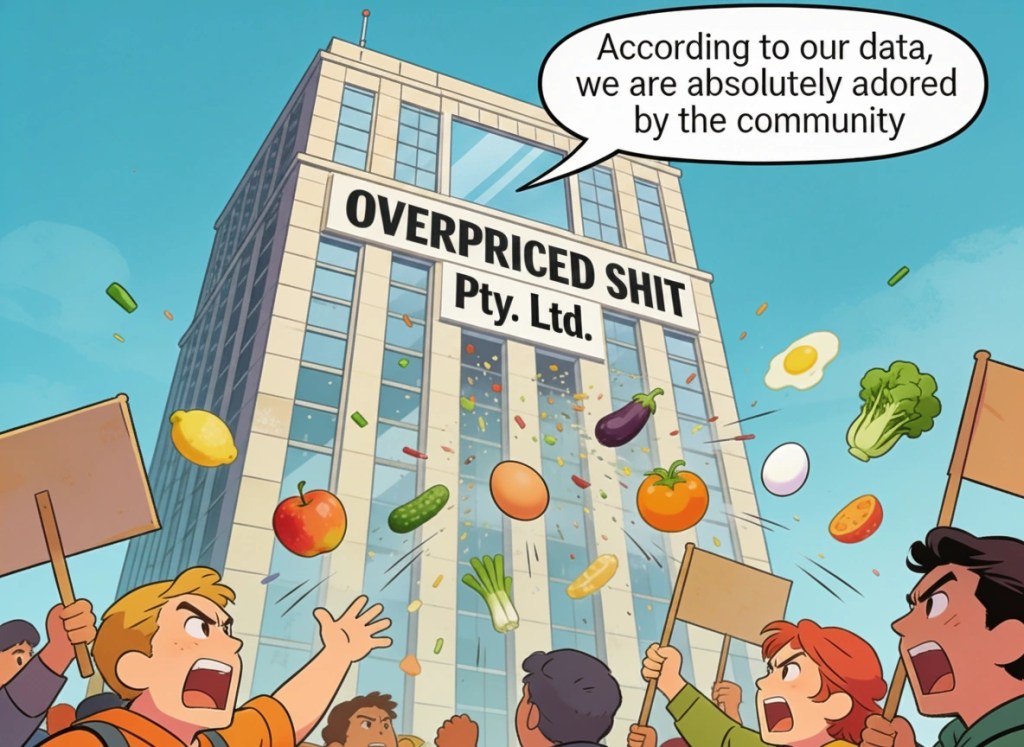
Key Performance Indicators are the tried-and-true metrics businesses use to measure how well they are meeting specific goals that are imperative to their success. The larger the company the further removed the action on the ground is from the decision makers; thus, the checks and balances get easier to fudge.
It’s impossible to monitor the goings on in every nook and cranny of a large company with distinct divisions and hierarchies in one building. Spread that organisation across numerous locations and countries and you could get buried in data if you don’t have a system to narrow down the specific benchmarks that need to be watched.
Get it right and the decision makers now have access to crucial information at the click of a mouse. This index provides a quantifiable gauge on whether they are achieving the goals they need to. Each supervisor has targets they need to reach. If they consistently fall short, questions will be asked and pressure placed on that person’s manager and so on up the chain; all the way to the CEO who must satisfy the Board of Directors with his own impressive numbers.
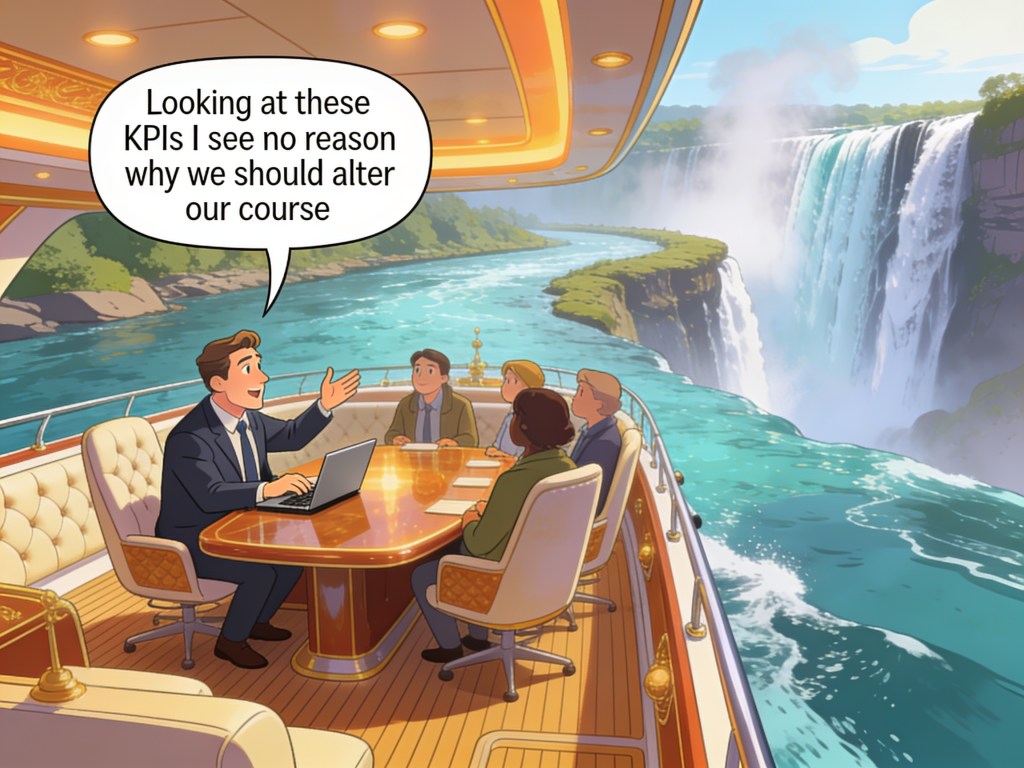
The Directors then use these statistics to impress their investors in the hopes of receiving more capital. Put that simply, it is ridiculous to think that numbers are not getting fudged all the way up that ladder. Especially when you consider that the person on the next rung up gets no benefit from finding too many problems beneath them. Plausible deniability is a wonderful thing!
This system, by design, has blind spots. The prioritising of which criteria receives attention assures certain stats go unnoticed or unrecorded. If your concern doesn’t fall under a KPI, you may be wasting your time trying to improve it. Why would your boss consciously give themselves another ball to juggle?
Add to this the conflicting interests of various divisions, roles and responsibilities, and you are at risk of a form of civil war within your own corporation. Operations, marketing, finance etc. all have KPIs that may well clash with each other. What if the same role has competing obligations?
A simple example from my warehouse experience: supervisors and depot managers are directly accountable for productivity. If the numbers are down, asses get kicked. These same people are also answerable to health and safety regulators. They are the worker’s first point of call for any hazards that need to be reported.
Trying to accident proof a busy warehouse is unfeasible, but so is having a high number of accidents and near misses. The leaders on the ground must walk the fine line between keeping the workplace safe and keeping the operations running efficiently; and it is often a gamble. Many risks get left unattended for the sake of saving time and money. A literal game of “what are the chances?” Most of the time the chewing gum and sticky tape hold it together until a replacement arrives. If it sounds malicious; well, it fucking is!

Although, as it unfolds in real time, it is just another speculation in profit and loss. People at the coalface getting the job done with the resources they have. The defence would be akin to “the boy who cried wolf”. “99% of the time nothing eventuates”, but you know what they say? “You get away with it, until you don’t”
This deserves a post of its own. Moving on…
Cooking the books is as old as business itself. Only a fool would offer 100% honesty in all records. “Everybody does it” and other cliches. The thing that fascinates me most is when the whole ruse is an open secret that everyone just accepts.
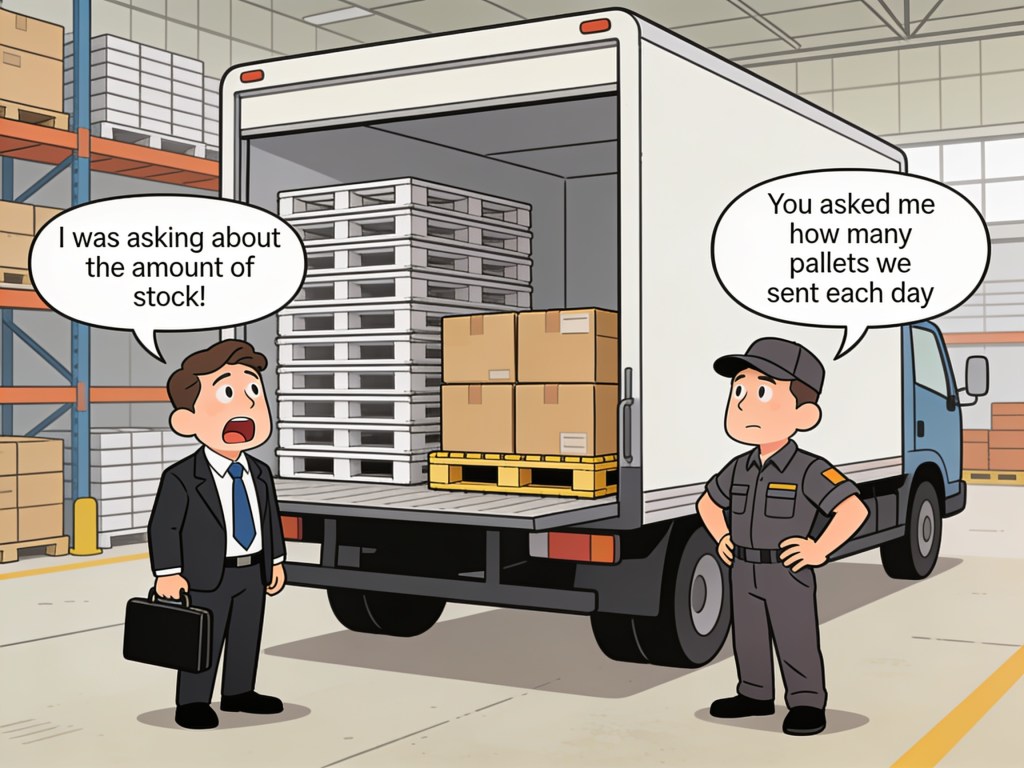
A recent example comes courtesy or the Golden Arches themselves; those pillars of business savvy and efficiency. A huge part of their brand is speed. The food is far from gourmet, but it is convenient.
One crucial KPI used to monitor the success of the swift service goal is the drive-thru timer. Staff have a set time limit for moving each customer through, from ordering to driving off with their food. That timer helps the team keep track of their performance. It also keeps a record for the number crunchers to examine. The idea being, they can spot issues and find solutions.
“Notice the spike in missed time quotas during the lunch rush?”
“Maybe the menu has become a little overblown.” Etc.
I wonder how they factor in those scores of drivers who get moved on to the waiting bays. What happens to that data? Is it one of those open secrets? Oops we forgot to track that.
Here’s the scam: that timer resets whenever a driver moves past the service window. Whether or not they have their food doesn’t matter. You probably thought those extra bays were for complicated orders or unexpected delays, and they probably started out for that reason; keep the cars moving through.
Over time a few clever Dicks spotted the loophole. If we are struggling to keep up with the timer, we can slip a driver or two through to the waiting bays and get a restart. Fucking brilliant!
“What happens when corporate gets wind of this racket?” I hear you ask. Funny thing that. They use the doctored data as evidence of their speedy service system. They show the CEO, who shows The Board, who then amaze the shareholders with these statistics that prove how efficient their drive-thru operation is. WOW!

“It’s only a rort if you’re not in on it”
Of course, I must point out I personally have no hard proof of this superb swindle, but I admire the cunning if it’s true. Straight-up fraud or a case of “the emperor’s new clothes”, it is a fantastic illustration of what I am trying to say.
One different example before we part. Another statistic that might need a little diddling could be customer satisfaction. I’m sure you have received one of those silly text messages or emails from Australia Post asking, “How did we do?”. It’s so fucken absurd! You delivered the parcel…what do you want? A bloody medal?
Now, I understand the idea: “was the parcel undamaged?” and such. But riddle me this: why do you never seem to get one of these “surveys” after you get one of those “your parcel is ready to pick up from the post office” pains in the ass? Not much probing necessary to find the reasons behind that little omission.
“Look at all of our positive reviews!”
“There doesn’t seem to be any mention of failed deliveries”
“Well, they mustn’t be that important to our customers then”
Fucken shonks!!!
Humans are an adaptable species, particularly when money is involved.



Leave a Reply