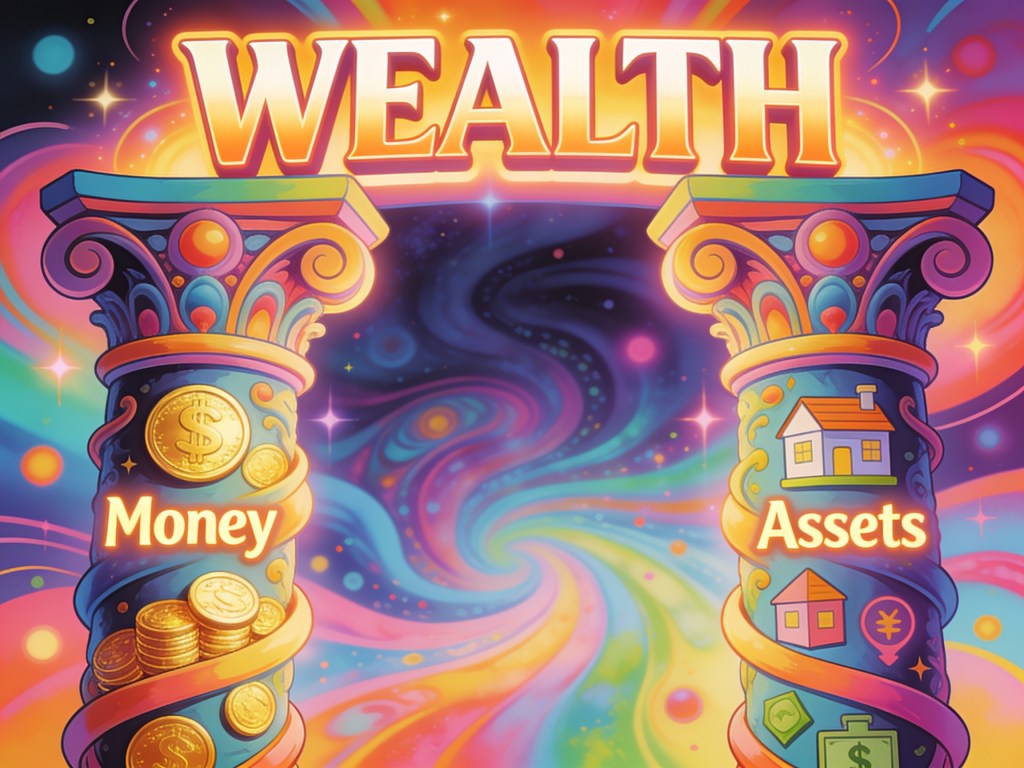
Until very recently, being wealthy usually consisted of two tangible possessions: assets and money. These were genuine 3-dimensional things rather than mere numbers on a computer screen. Even considering the numbers on a bank statement back then, the cash still existed in the banks vault; or some percentage of it. I know there was some kind of work around regarding the money a bank says they have and what is actually in their vault/s.
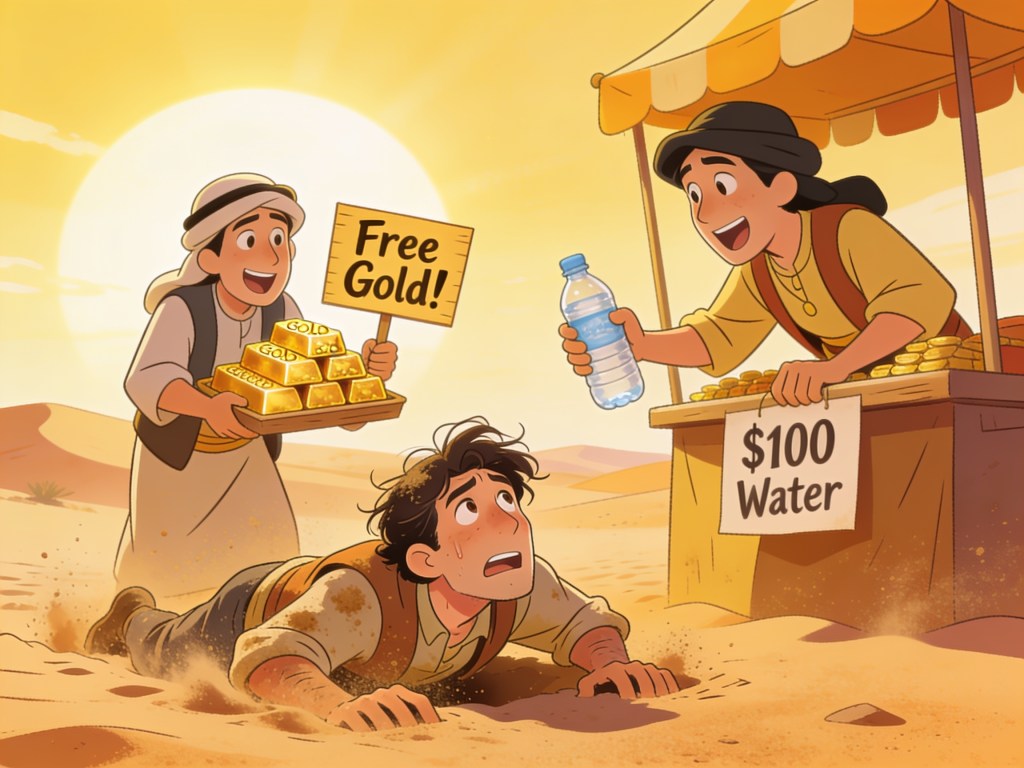
The interesting thing for me is that the value ascribed to them both is conceptual to varying degrees. The price of land, gold, cocaine and cucumbers are all based on economic and psychological abstractions: supply and demand + “it’s valuable because everyone agrees it is” etc.
The same goes for cash. The paper and metal are practically worthless without the uncanny phenomenon whereby everyone agrees to accept their attributed value. For now, I want to focus on assets. The things that are assessed in dollars and cents and thus represent that amount of capital. Its potential cash conversion might rise and fall without any physical money involved.
A person would be considered wealthy because they hold a substantial amount of assets, or perhaps a small amount of very valuable ones. 100 hectares of polluted swampy mangrove would pale in comparison to 10 hectares of prime real estate. A truckload of tomatoes or a car boot full of diamonds and rubies – you get the gist.
What anything is worth depends on a mind-boggling array of factors! Something as seemingly simple as supply and demand becomes a mystifying maze the instant you take a closer look:
- People need or want a thing and there is ample supply – thing is cheap
- Why isn’t it free? Many things were once, but somewhere someone claimed ownership and/or figured out how to monetize it and bingo!
- Government sell off goods and services they once provided to private companies for a cash influx and the offloading of one of their expenses.
- That product or service is now being supplied for profit – guess which direction the price is going to go.
- People need or want a thing, and it is scarce – price goes up
- What if the providers deliberately reduce supply to inflate the value of their product or service?
- What about luxury goods and services? So many of these are ludicrously overpriced!
I’m not just talking about a $10,000 handbag either. An opal or emerald is only worth as much as people are willing to pay. I suppose the equation would need to include things like perishability and storage costs too. Those thousand plus dollar truffles can’t be held back while waiting for the best price for too long. However, their fleeting availability would be a reason for the obscene cost – I just countered myself!
What about your warehouse full of extravagantly priced clothing and a detrimental change in fashion? A sudden fire sale could cause serious damage to your brand; maybe a real fire would be a better move. Insurance fraud aside, preventing your passe product from reaching the market and absorbing the financial loss may be the clever play in the long term, by preserving your products exclusivity status.
In Australia right now (2026) we are witnessing a massive rise in the illicit tobacco trade. Yep – tobacco! The government has taxed the shit out of cigarettes to such an extent that people are turning to the black market to be able to afford to support their habit. Gangsters are getting rich selling a product that can be legally bought in stores. The crime is the tax dodge leading to affordability. These criminals are the modern bootleggers, minus prohibition.

The government has handed them a golden goose via their own legislation. It is not only stolen tobacco and cigarettes being sold. The product is now being produced without any regulations, ala moonshine or bathtub gin. There is also a proliferation in tobacconist store being firebombed. Talk about a legislative backfire!
The factors affecting the price of any commodity are too varied to pin down in a few hundred words. Just be aware that there are a whole bunch of invisible influences and influencers that we don’t notice, and the market price of any asset is very susceptible to manipulation. What about land?
In my opinion, land would be the fundamental asset for determining wealth. Before currency or any form of organised trade, groups of people were marking their territory. As time went on, they began drawing hard boundaries and fought to defend them.
“We do our shit in here. You do your shit out there. We can trade, but you can’t just mosey on in and start doing your shit without permission.”
This would be the infancy of the nation state. Kings, queens etc. ruled the land and the peasants worked to earn their keep. This land was obtained the old-fashioned way: squatting or conquering – land went to whoever was there first and then whoever was strong enough to keep it.
Somewhere along the line, a few cunning nobles got the idea of private property up and running. Now citizens could purchase their own sectioned off piece of the Earth; put up a fence and post “KEEP OUT” signs. Anything not bought or not for sale remains state land. This will usually be available for public use, until such time as the state needs a cash influx or is offered one they cannot ignore. After that – “PRIVATE PROPERTY”.
Prior to this, I imagine there would have been some form of etiquette when it came your hut/tent and my hut/tent, but it was probably considered rude, or at least a bit odd, to shut yourself in and refuse visitors within such a small community. What the fuck does that have to with anything? Get back on track.
People have been slowly but surely laying claim to almost every square inch on the planet since it went on sale. Corporations and conglomerates are doing their best to gobble up as much as possible nowadays. They either divide and/or subdivide to squeeze more renters in, or they go up. Hundreds of apartments standing where a few houses had once been.
Land and property prices continue to skyrocket while wages stagnate. Average people cannot afford to enter the market anymore. Cities are getting more and more crowded, and rent is becoming unaffordable. Sharing is becoming the new norm, just to be able to keep up with the bills. We’re not talking about a group of young people striking out on their own anymore; a lot of them are mature aged full-time workers whose pay can no longer sustain living solo.
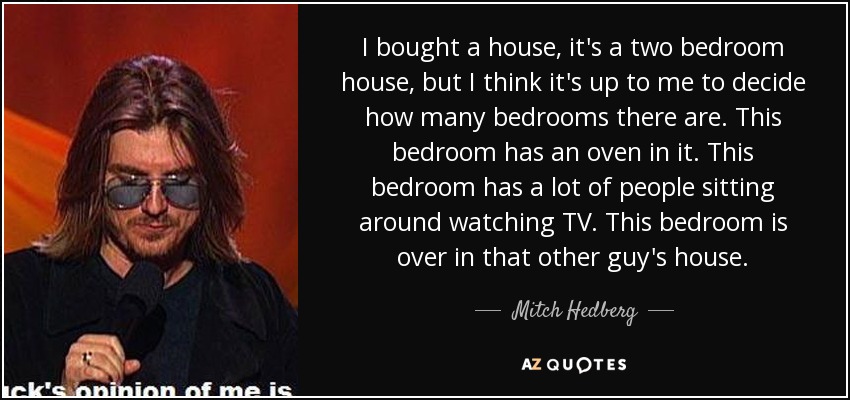
Ridiculous tiny apartments that make a studio seem lavish are becoming the only option left for having your own place, and that is still gunna cost you big! Hong Kong coffin apartments are looming for most major cities.
Meanwhile we have more billionaires than ever before, with multiple palatial estates, super yachts and even personal fucken islands! These insatiable opulence junkies have no concept of the abject misery their hoarding creates.
London’s elite have even created infrastructure issues with their ‘iceberg’ homes. These affluence addicts have literally gone to a new low in their quest for more mansion metres. There is a limit to how high they can go, so now they are adding levels underground. Yeah, that’s right levels; plural. A three-story house might have four or more basement levels. All in the service of grandeur of course – pure wealth flaunting wank!
Once again, the value of any property stems from whatever the market decides is the most desirable. If prices keep rising, property remains a profitable investment, and that sounds great! Right? Well, yes, if you’re an investor. If you are trying to purchase a home to live in to escape the rental rat race and get a little security, it’s a fucken nightmare!
When the average house or apartment is a million dollars, being a millionaire is no longer what it used to be. I’m 52 and I have witnessed this decline in real time. As a kid/ teenager and even into my early 20s, a million dollars could set you up for a comfortable life. The average house was $300,000. The idea of winning the lottery for a million meant a hell of a lot more back then.
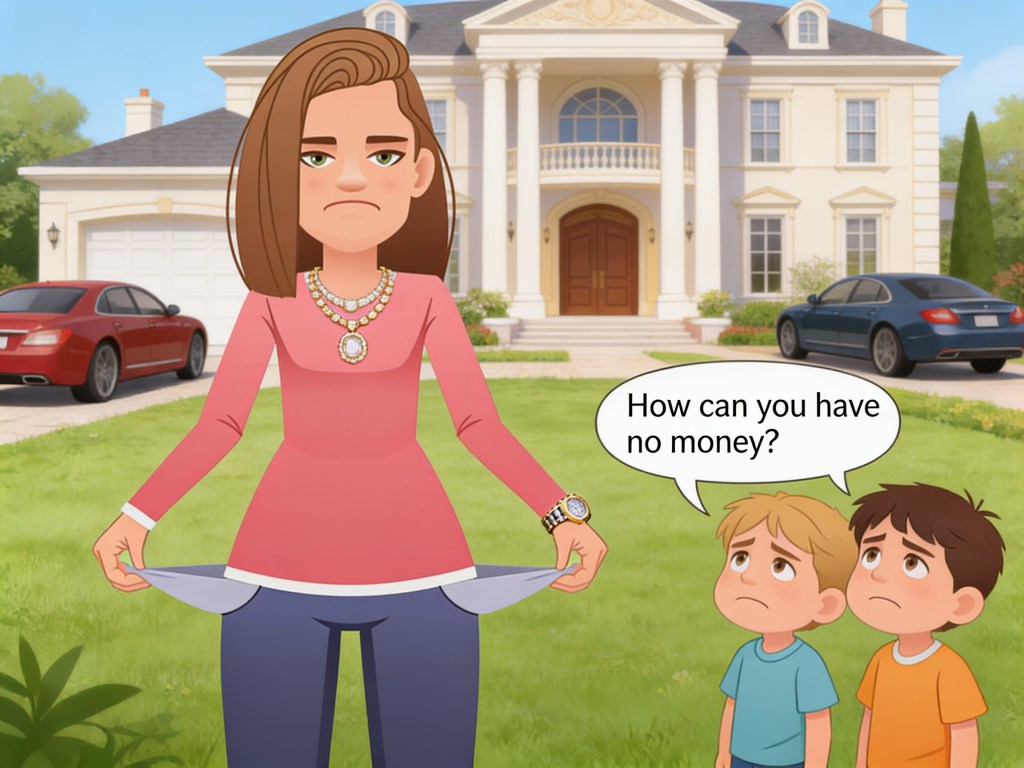
A home, an investment property, and still a few hundred grand to play with (I’m not up on the whole tax situation). Now…one house; if the bidding isn’t too competitive. Okay, technically you’re a millionaire – asset wise. Sell that house and get a big pay day…where are you going to live?
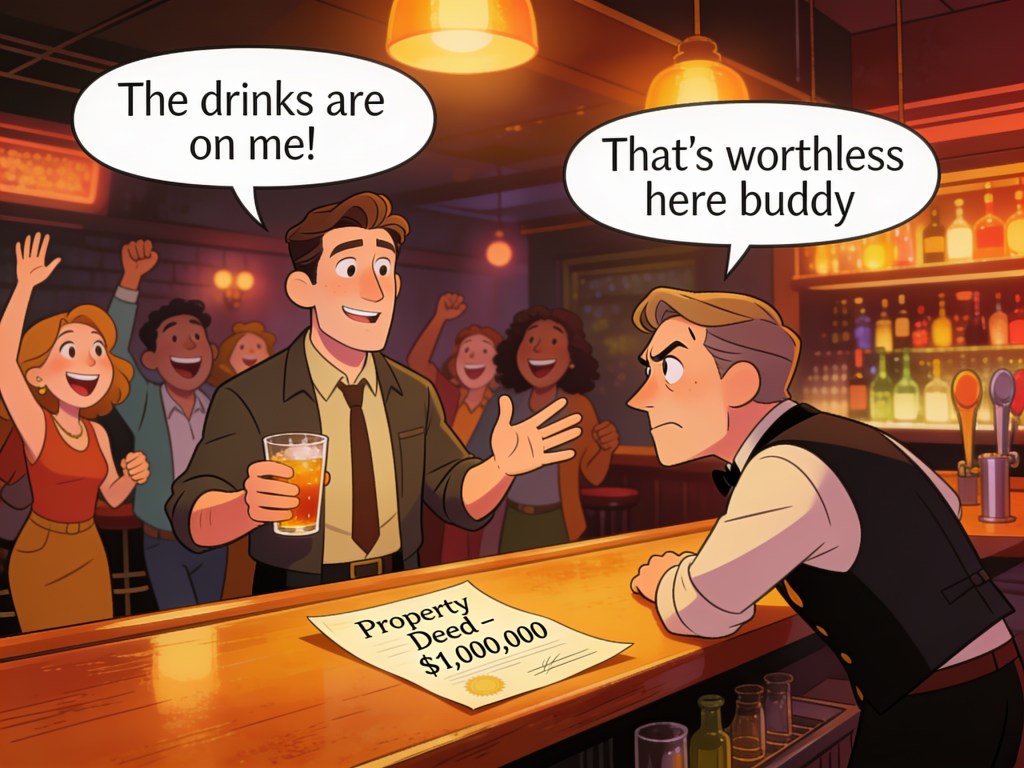
A million-dollar house aint so special when all your other housing options cost around the same. It’s a cruel system. You bust your ass to pay off your house; your equity keeps growing; but so does all the other properties in your city. If you bought in the 1990s or earlier (or inherited a house) this represents a huge windfall, unless of course, if it is your primary residence. If so, selling it means giving up your home. The only way to gain any advantage this way is to downsize or move out of your city.
I think I’m going in circles here.
One more complication before I finish – those ‘je ne sais quoi’ assets. Things like the chef being the draw card for your restaurant. The bricks and mortar; the whizz-bang kitchen and schmick décor are all worth money, but if the renowned chef walks… Same would be true for a secret recipe etc. You may own the ‘business’, but do you control the prime ‘asset’?
The value of a profitable business is worth more than the physical assets – performance and reputation can multiply that worth exponentially. A savvy entrepreneur can make a fortune selling their system or brand regardless of any physical assets. This leads to stuff like patents, copyright and intellectual property. Therefore, I will end right here.


Leave a Reply