British Agricultural Revolution 1700 – 1801
Industrial revolution 1760 – 1840
American Revolution 1765 – 1789
French Revolution 1789 – 1799
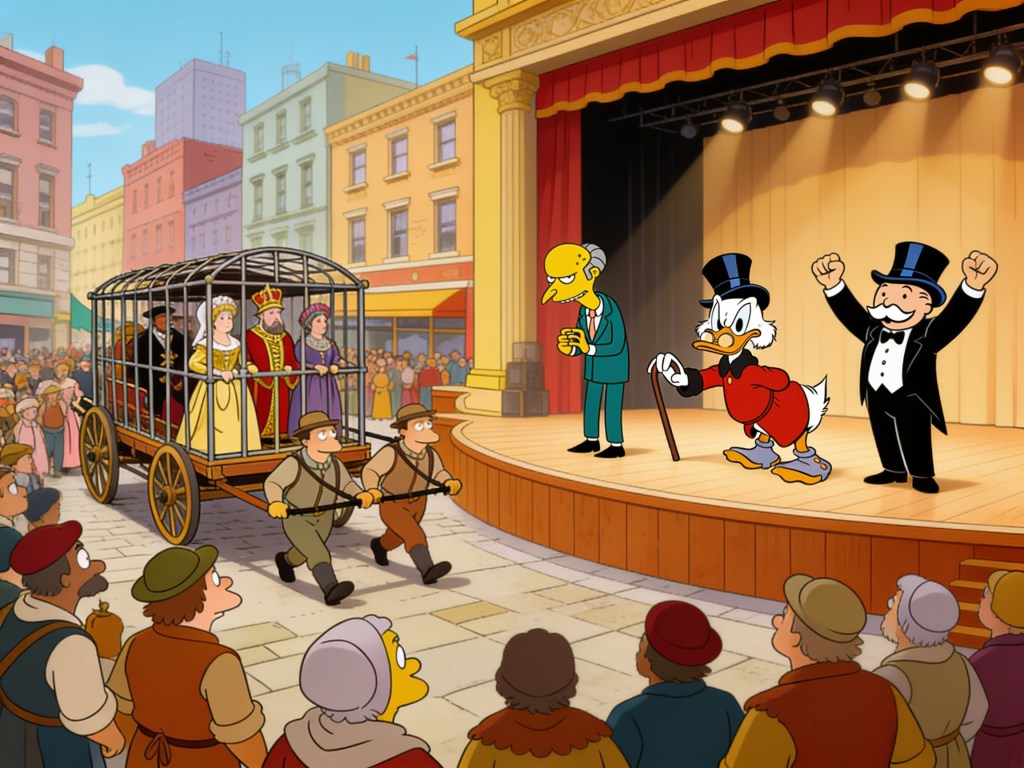
This was going to be a post about the industrial revolutions, of which it seems we are into number 3 or 4 at present. I got to thinking about the other revolutions I had been writing about recently and decided to check how the dates matched up – fucking fascinating to say the least.
The Americans and French were fighting against the aristocracy, with its spoiled upper class being born into power and wealth, while the peasants toiled to maintain this unjustified status quo. All the while the leaders of industry were getting set to hit the hyper-drive button on their production potential. Thus, lining themselves up to become the new super-rich – fuck me!!!
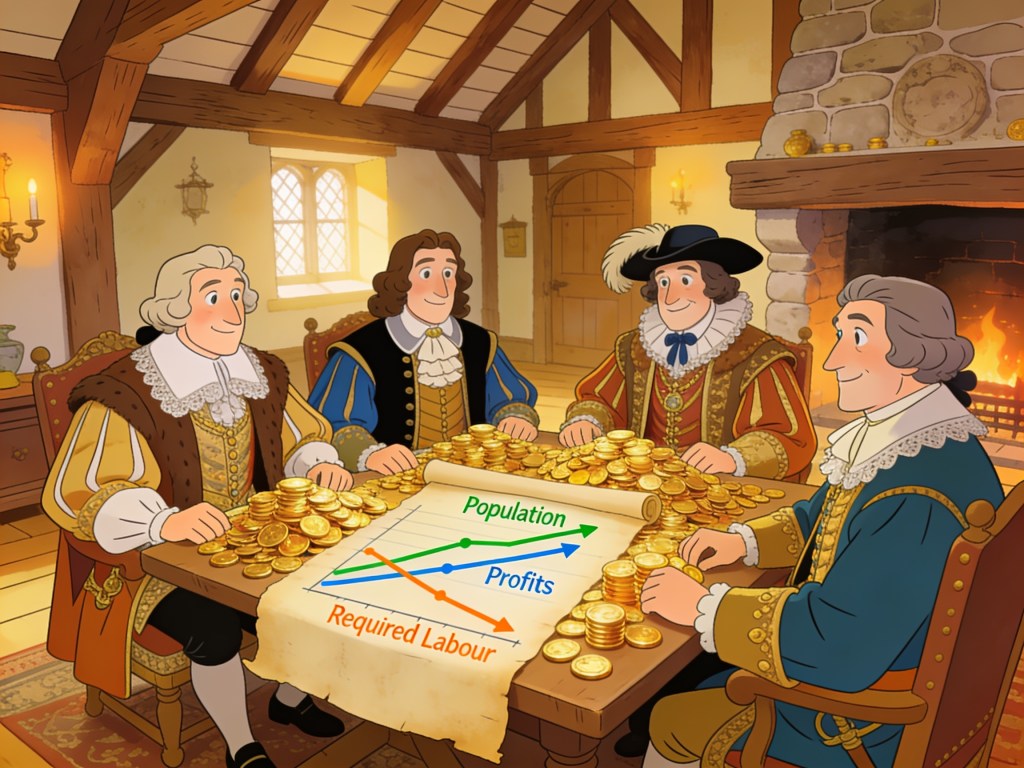
Before the advances of machines, water and steam power, most man-made items were produced by hand, which placed a frustrating limit on the amount a factory could turn out. A mechanised factory could pump out more for less, meaning the investment in machinery and other technology paid itself off and produced massive profits, which could be used for more machines and more profit.
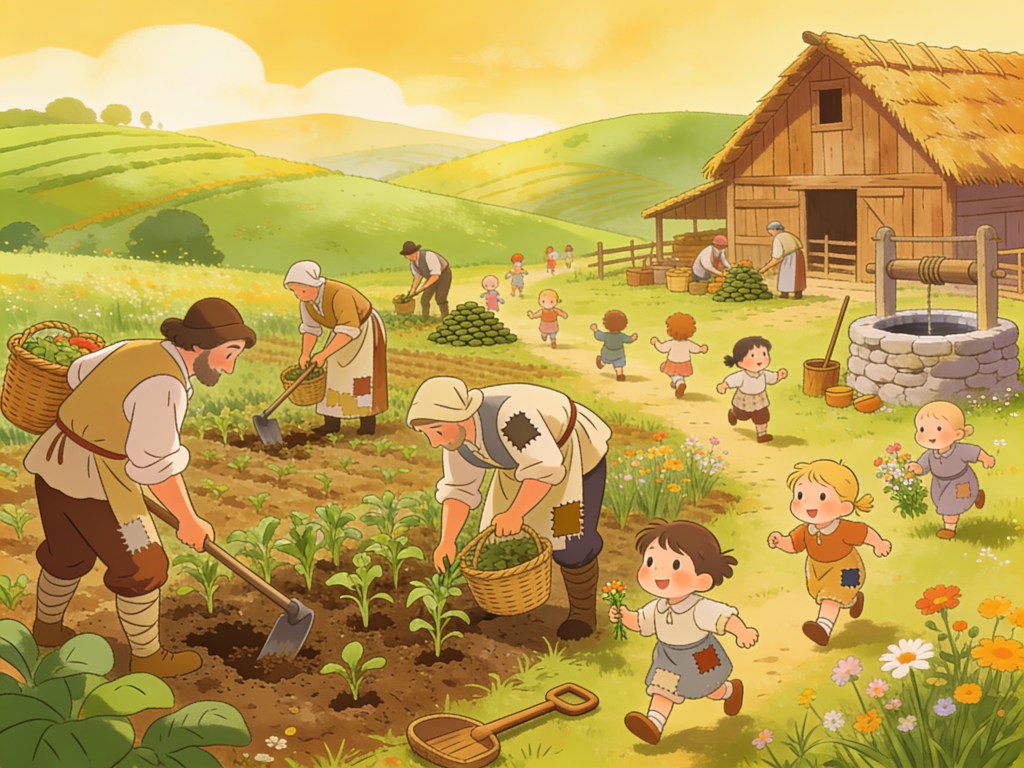
Where to find the workers? Well, it just so happens there was another important revolution going on before the industrial one. The British Agricultural Revolution fuelled by prolific innovations in machinery and methods resulted in the country’s farming output surging. This technology would soon spread through the western world.
As I mentioned many posts ago, more food usually results in more people. Those extra people can now be exploited – ahem – employed by the factories springing up all over the cities. Those people don’t even have to be fully grown people either. Little people with little limbs can be useful too.
They just needed bodies: bodies to feed the machines, bodies to keep the machines running and bodies to ship the merchandise. These factories had an insatiable appetite for arms and legs – quite literally in one horrific sense.
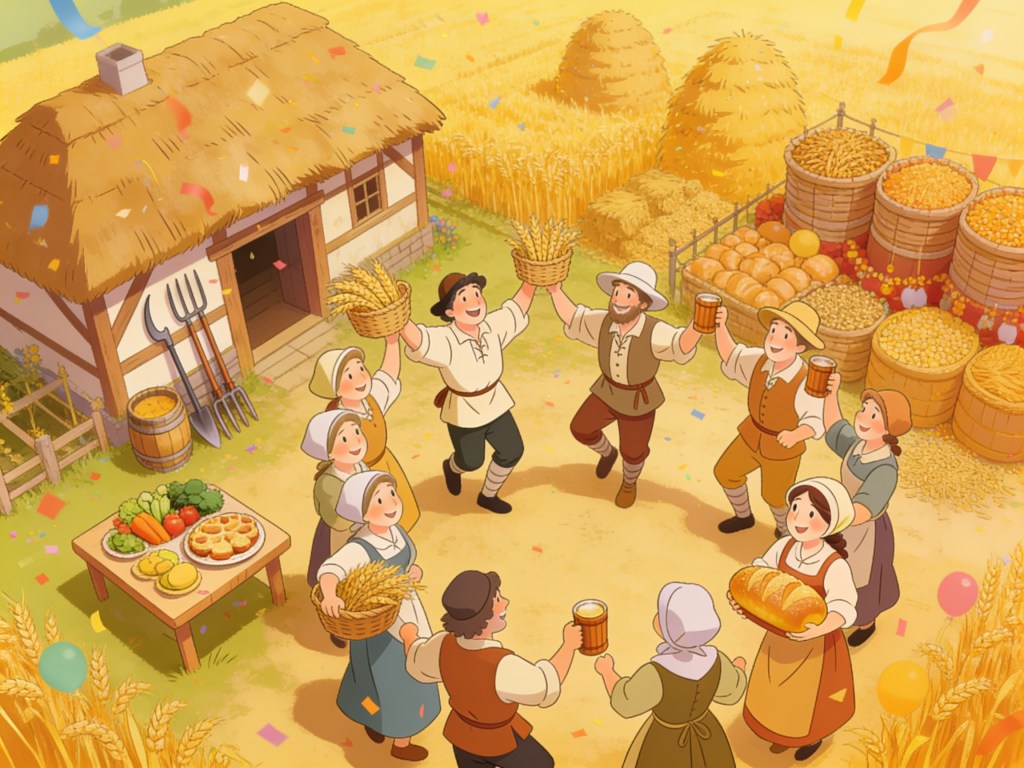
At the same time, improved farming efficiency meant that less workers were required on the farms. Farmers probably got a few easy years with some nice bonuses, but the money grubbers would soon funnel any extra revenue exclusively in their own direction. So, the agricultural moguls get richer and the farmers get fired. Cue the mass migration to the cities.
Desperate peasants flooded the cities looking for work, and the factories welcomed them with open arms. The new workforce was in for one of the most significant upheavals of daily life the west had ever seen. From working in tune with nature; the seasons, the sunrise and sunsets. Periods of feverish work, followed by downtime as nature took its course – to working to a clock, a never-ending slog of monotonous work churning out endless amounts of stuff. Stuff someone else made profit on, in return for a pittance.
The machines could run non-stop and needed to do so for maximum profit. That combined with gas lighting meant that workers could continue their drudgery 24 hours a day – in shifts of course (I hope). The machines also provided plenty of work for women and children by mechanising many tasks that previously required shear strength; but don’t worry, it was still back breaking work – no ergonomics or occupational health and safety here old mate.
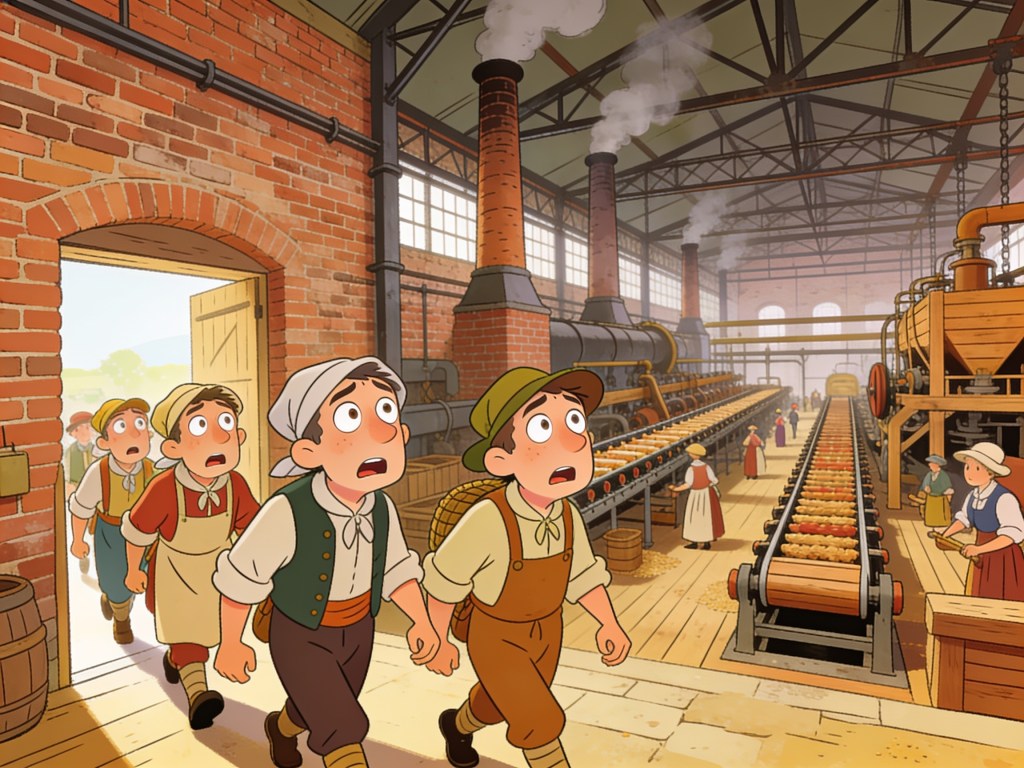
The cities couldn’t cope with the population explosion, and the workers were forced to live in dilapidated, overcrowded, disease-ridden slums. Appalling living conditions and nightmarish working ones meant that the skyrocketing profits were in no way being shared equitably.
The marvellous mansions on one side of the city – preferably away from all the pollution caused by those filthy factories. A few well-fed people living in opulence with plenty of rooms and gardens. On the shitty side of the city, among the contamination of industrialisation, the human beings that kept that industry going were jam-packed into decrepit deathtraps, nothing more than expendable cogs in the profit-making machine.
The new monied were getting richer and the peasants were in a worse predicament than ever. Trickle down, my ass! Peasants were now slaving for the enrichment of industrialists instead of aristocrats. Oh, they were free in the legal sense, yet the circumstances they were in were just as abhorrent, or possibly worse, than serfs.
A decent lord would at least provide adequate accommodation and food. In the city everyone got paid lousy wages, lived in squalor and barely had enough to eat. For this privilege they worked like dogs, risking death and dismemberment with precious little hope of improvement, while the owners’ profits and power grew and grew.
These rich pricks would soon be the new ruling class. When the embittered workers and peasants had finally had enough and violently turned on the noble class, many of these industrialists must have slipped the net.
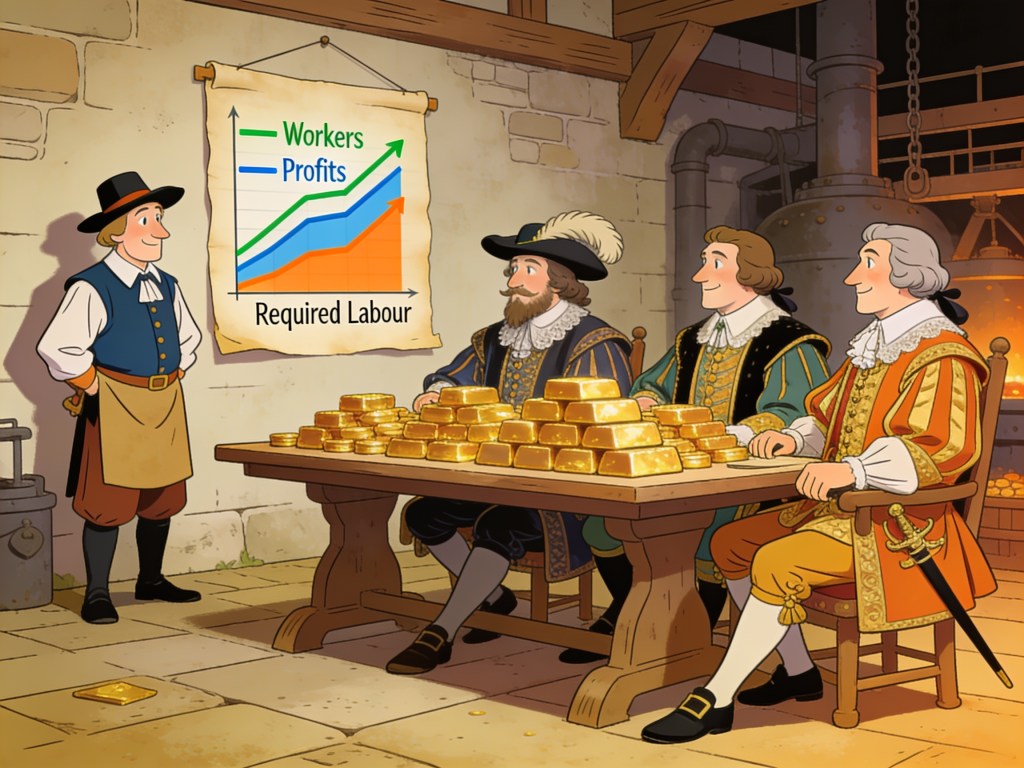
“We’re not aristocracy! We’re just businessmen”. What a tragedy of errors.
This is mere conjecture on my part, and I am unclear on how it all unfolded, but I have a sickening suspicion that while the royals and gentry were being beheaded, hung, imprisoned or exiled, many of these industrialist weasels hid in the shadows.
When the smoke cleared and the blood was washed away, they continued to make stuff with their machines and sweatshop labour conditions. The lower classes could have all the democracy they liked. In the end, money still talked and it would be a saintly/staunch politician, commissioner or law enforcement officer who turns down the spoils of corruption; and probably an ostracised one too.
I’m sure I’ve oversimplified this, but I am only just thinking of it right now. The concept of the revolutionaries eliminating one cruel and greedy ruling class, yet remaining oblivious, and even being employed by the very bastards who would be their new parasitic masters only occurred to me while writing this.
It would be around 50 years later when the Communist Manifesto attempted to understand the evils of this capitalist system and imagine a solution. Nearly 70 years later after a brutal revolution, Russia would pioneer this new system and discover its flaws way too late..


Leave a Reply