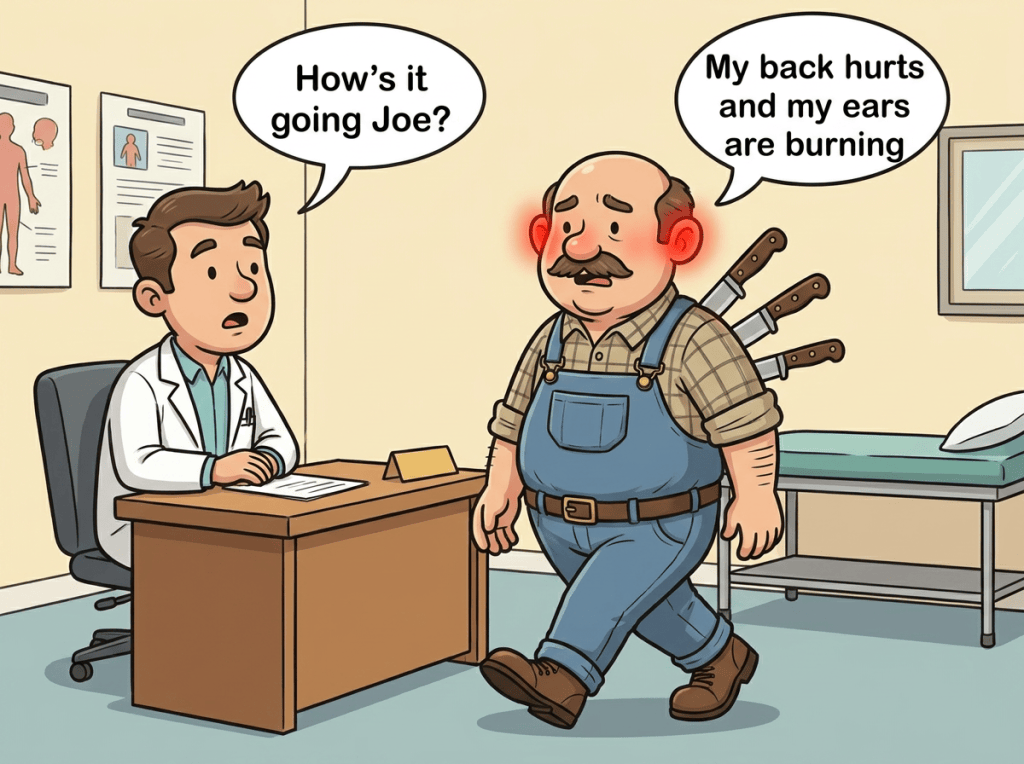
The new year hasn’t panned out as joyous as Joe had imagined. Although he has managed to secure two more good contracts, and the new system is running efficiently, there seems to be low spirits in the factory. Joe has tried to find out what’s up, but everyone insists they are fine, despite the obvious low mood in the place.
#2 obviously has a bug up his ass about something, but he refuses to discuss it. Joe is very disappointed and confused, but he is flat out keeping the business on track. He dreams about easing off and cruising for a while. Take some time to enjoy his success, but he fears losing momentum and doesn’t want to waste his winning streak. The way #2 is behaving lately, Joe doubts he could lean on him for anything. If it keeps up, there is going to need to be a tough conversation.
After meeting with #5 (the only one who isn’t acting like they won the Lottery and lost the ticket), Joe learns about his concern about his chances of increasing his earning potential. He understands that the tradesman door is now closed and explains that this place now feels like a dead-end.
After a little time, Joe gets back to #5 with an idea. Being a young bloke, he is already way ahead of Joe in the tech savvy stakes, and they agree to trial him out running the online store and social media stuff. Joe will be glad to have that up and running again, considering how much people have been telling him of the revenue stream he is squandering. If it turns out to be as profitable as predicted, #5 will certainly wind up with a nice pay rise.
After informing his other staff (who seemed most underwhelmed) of #5’s new role, Joe is informed in no uncertain terms that #2 will be moving on ASAP. Joe never will know exactly where that animosity stemmed from, yet he knows he gave him ample opportunity to speak up. While #2 “was” a valued employee, Joe will be relieved to be rid of the grumpy prick he turned into. Hopefully he might take that negative energy with him.
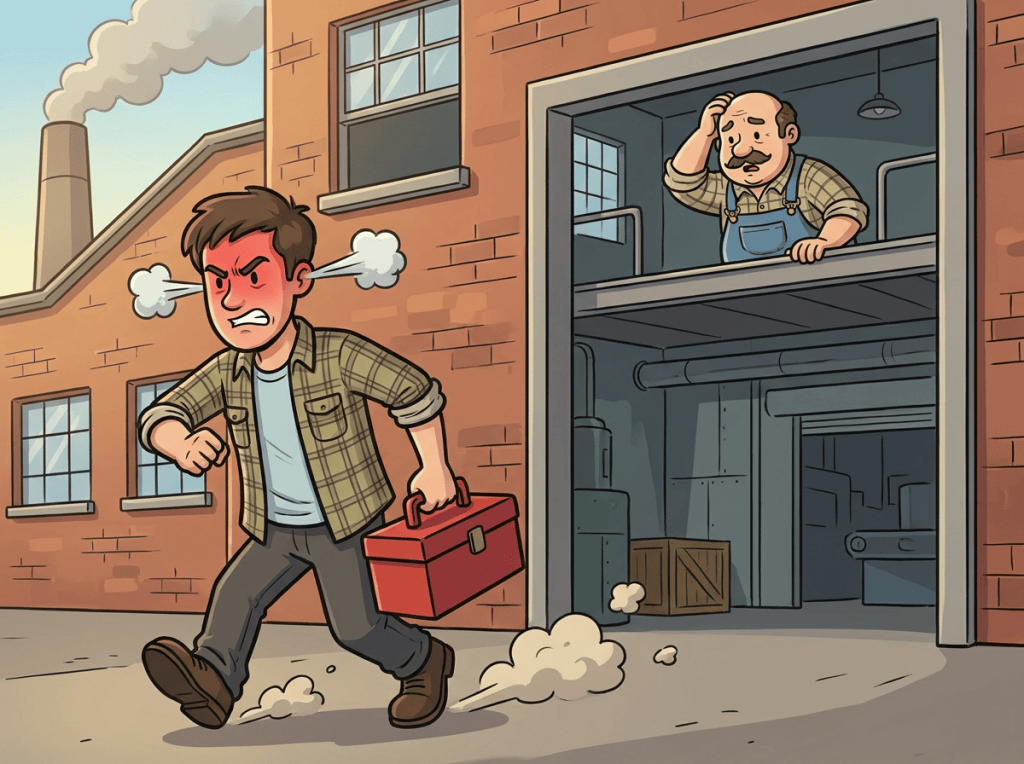
Given the sour grapes percolating in the place, Joe decides he is going to need to be strategic about who replaces #2 at the helm. It seems his team are very sensitive about rewards and recognition, and to simply promote #3 while ignoring #4 could light another fire.
Not to mention the whole new direction the company is taking production wise. If things pan out, the need for skilled woodworkers will be a thing of the past. #3 and #4 would be wasted (and overpaid) just operating machines. It is in Joe’s interest to find a better use of his senior workers.
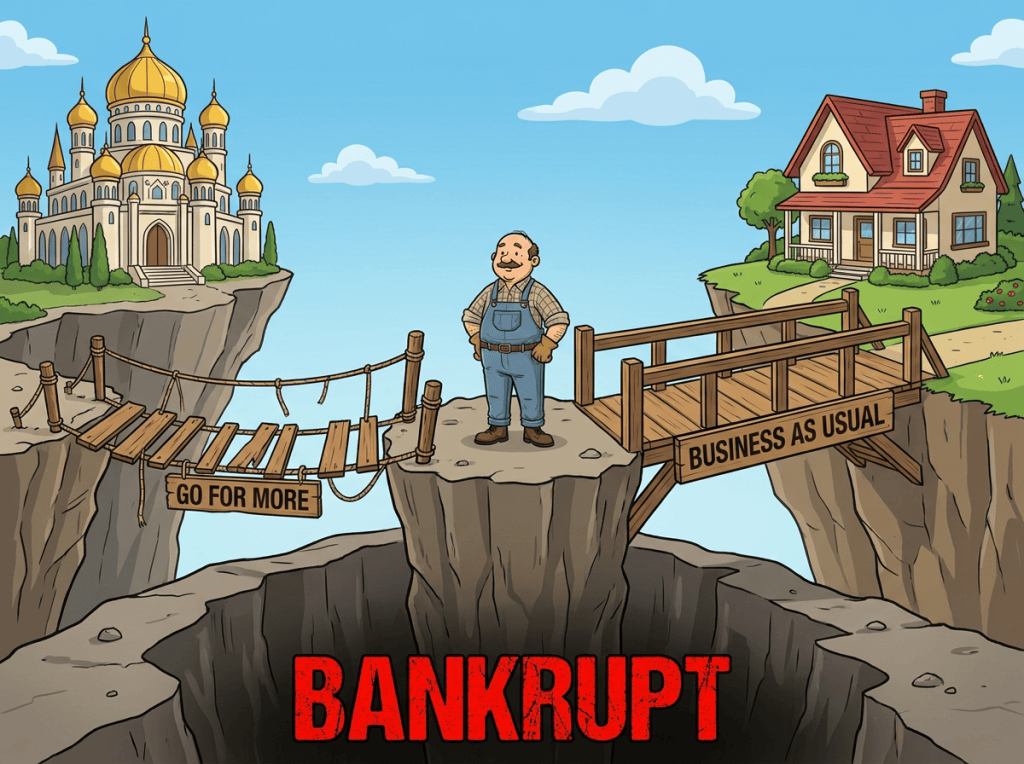
He has been researching ways of investing the savings he has accumulated for a better return. With the steady increase in demand for his merchandise, no interest rate can compete with greater productivity. Joe can’t find a good reason for not taking a punt on more automation. After visiting trade shows and doing other business-people stuff (I am making this up remember), the potential profits far outweigh the risks. The bank seems to be okay with it, so that’s a good sign, right?
This looks like being Joe’s biggest gamble so far. “Gotta spend money to make money!”
Obviously, if a business spends a large amount of capital on a new technology, they expect a return on that investment. Which may be provided by:
- Less workers producing the same amount as before
- The same number of workers producing more than before
- More, more, more, for less!
The new machinery will put Joe in more debt than ever before. It will also offer production value per worker way above the current volumes, with the capacity to increase even more if demand should require. Without getting too finicky about the exact numbers, let’s just say the expensive new gadgets can churn out a lot more chairs per worker, AND the workers don’t need to be craftsmen.
Improving quality and minimising human errors are also applicable in the grand scheme, but I am focusing on the labour v profit equation here: more chairs for less money. The new technology can double the current output with three workers who will only need a minimum of training on how to use the machinery.
Having borrowed heavily for the new machinery, Joe is obliged to try and maximise the return on this investment. When the machines are not running, they are technically losing money; as in they are producing nothing, yet Joe must still pay interest on the loan.
Therefore, Joe must weigh up his options and figure out his optimum model. He already has experience with overtime rates and weekend penalty rates. He might even consider a second shift, which would require he pay shift allowances to those workers. If sales keep going the way they are that would be a definite option. He will go over the numbers with his accountant.
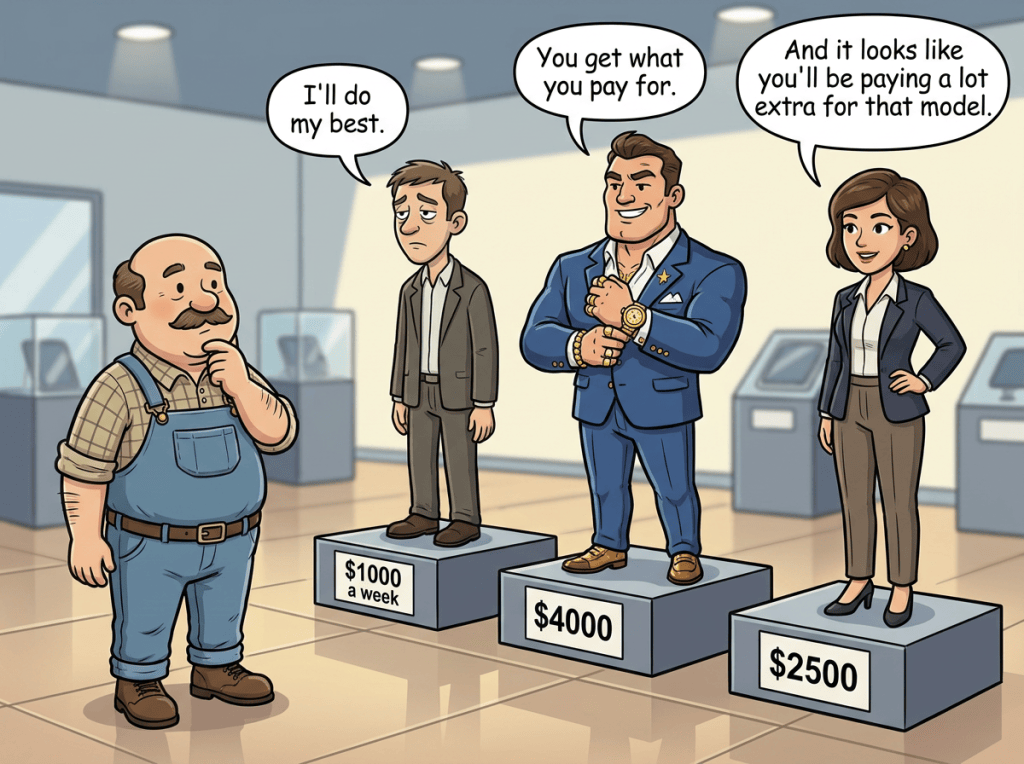
Which leads to Joe’s next big investment – a salesperson! Now he has the ability to ramp up production, it makes sense that he hires someone to ramp up demand. It’s also high time he hired some actual office staff to take care of the administration duties he has been fumbling with in his non-existent spare time. People to handle enquiries and complaints; and keep proper records.
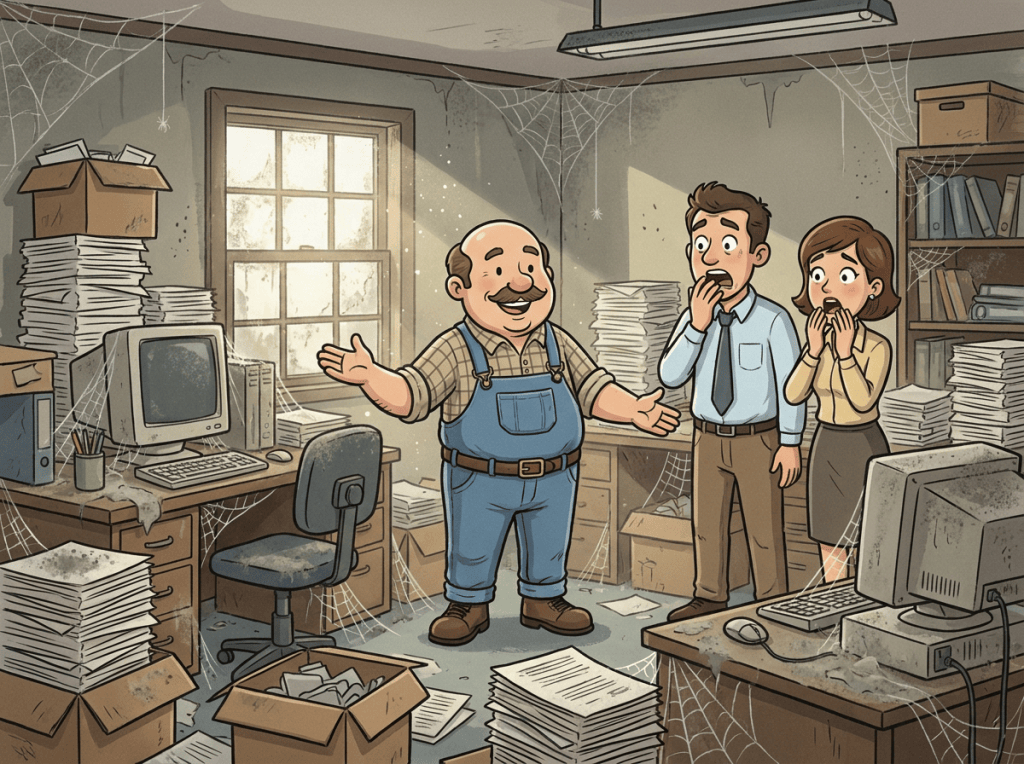
Shit! He also needs to get someone to start sifting through all those fucken returns. Make repairs and decide what to salvage and what to scrap. Would have been great to have #2 around for all this – C’est la vie.
Down to brass tacks time. He needs to replace #2. Fortunately, #3 is keen for the position, so Joe puts those wheels in motion. With #5 taking charge of the online side of things, that leaves #4 in the trenches alone. Joe advertises for 3 more factory hands, to ensure he has sufficient bodies to keep the machines pumping out chairs.
Once the new guys can run the machines competently, Joe wants to move #4 to the returns and repair task. That job still requires a person with woodworking skills. Everyone will be offered overtime to stay back and run the machines and help catch up on back orders.
Joe also sends out job posts for administration assistants and a sales representative. He’s not planning on getting much down time in the near future. “The price you pay”, he tells himself.
So, despite the loss of #2, things are looking up for Joe’s Chairs. Revenue is on the rise, and the team will soon be growing. With all the new roles, our chair manufacturer is about to enter new territory in the way of his business ledger. The equation is about to get a whole lot more complicated.
Up till now it has been variations on a simple profit and expense theme. The staff section of that spreadsheet was directly related to the number of chairs produced; raw materials in – finished product out. Once the new office staff arrive, Joe is going to need a new way to measure how well his team is performing overall. Things are about to get much trickier and harder to track.



Leave a Reply